-
Feminisms & Politics
in the Interwar Balkans (1923-1939)About FEPIB Research Database
FEminisms and Politics in the Interwar Balkans and East - Central Europe
1923-1939
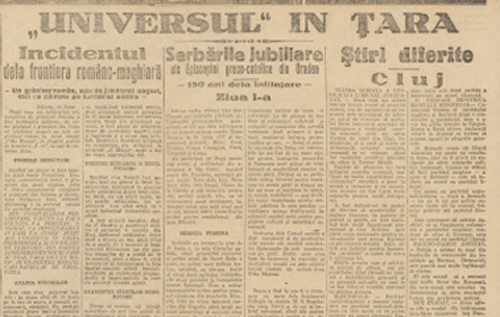
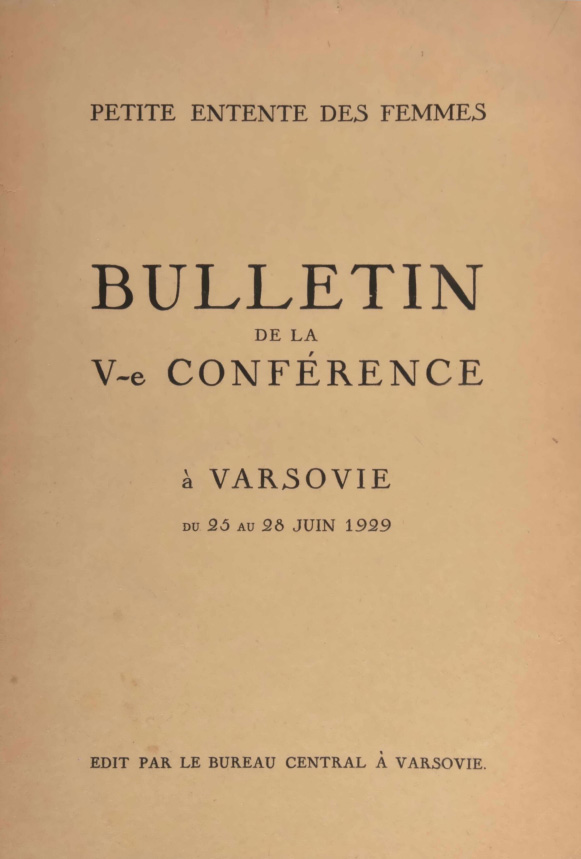
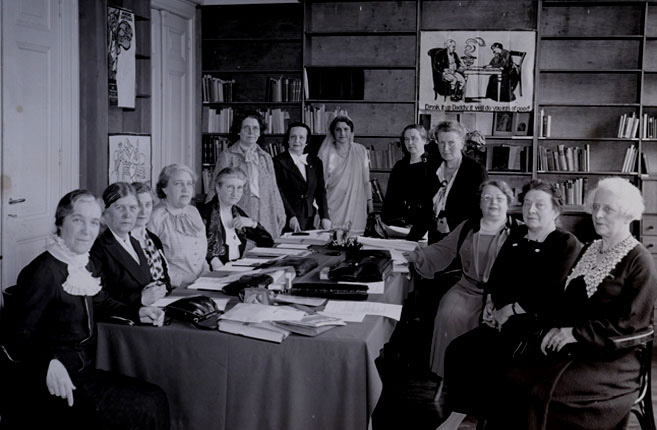
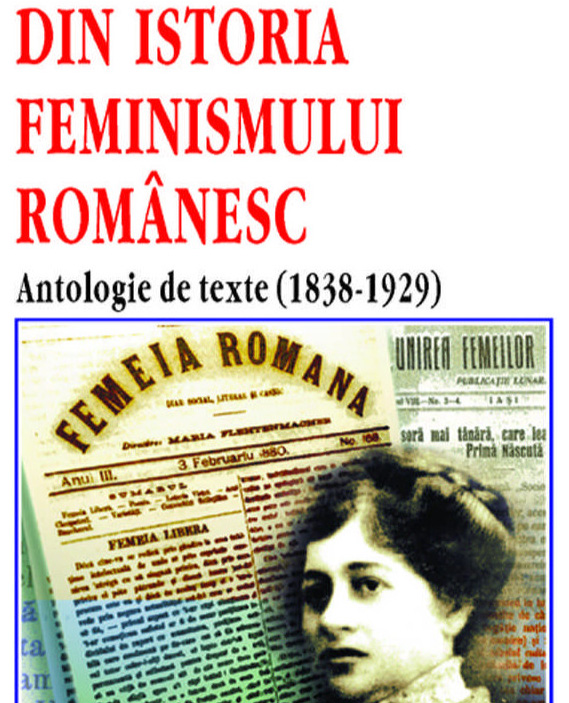
The FE.P.I.B. Research Database, created within the framework of the FEPIB project, gathers every source FE.P.I.B research team unearthed on inter-war Balkan feminisms -yellowed newspapers, handwritten letters, photographs, meeting minutes, even short films— and preserves them in one secure, open-access hub. Each item carries full "who-what-where-when" metadata, and the platform links documents to the people, organisations, events and places they mention, creating an intuitive web of relationships. Users can browse or run advanced queries that trace connections across borders and decades, while a high-speed engine delivers results almost instantly.
In short, FE.P.I.B. Research Database transforms a once-scattered trove of evidence into a reliable, user-friendly resource for scholars, educators and anyone curious about how feminist networks shaped Balkan politics between the World Wars.
The database covers women's and feminist organisations active in the Balkan countries, together with Poland and Czechoslovakia. These countries participated in key transnational collaborations of the interwar years, including the Little Entente of Women (Greece, Bulgaria, Yugoslavia, Romania, Poland, Czechoslovakia), the Balkan Conferences (Albania, Bulgaria, Greece, Romania, Turkey, Yugoslavia), and the Unity of Slavic Women (Czechoslovakia, Poland, Yugoslavia, Bulgaria), as well as other related initiatives. This geographical scope positions the Balkans and Central Europe as a crossroads between East and West, where feminist, pacifist, and political agendas intersected. It also provides a basis for comparative approaches, highlighting both national experiences and their entanglement in broader regional networks.
Historical Map in the Interwar Balkans (1923-1939)
People and Networks
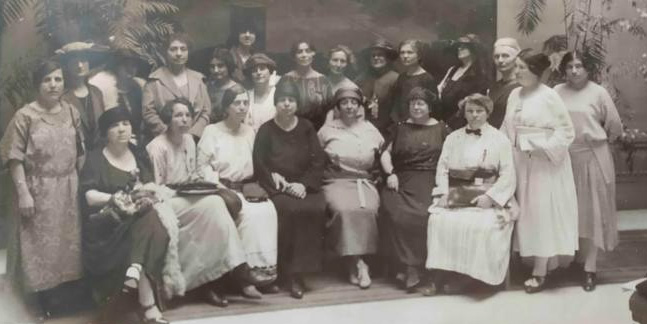
Regional - International Associations
This section documents regional associations that were central to feminist, political, and pacifist cooperation in the Balkans and East-Central Europe during the interwar period, such as the Little Entente of Women, the Unity of Slavic Women, and the Balkan Conference.
Read More
National Organisations
This section documents national women’s, feminist, and peace organisations from the Balkans and East-Central Europe that collaborated at regional level to promote women’s rights, involvement in politics, and peace during the interwar period.
Read More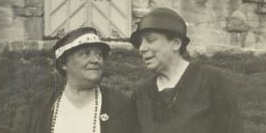
Personages
This section brings together biographical profiles of feminist figures, intellectuals, and politicians from across the Balkans and Central Europe. Each entry offers insights into the life, activism, and intellectual contributions of these individuals.
Read More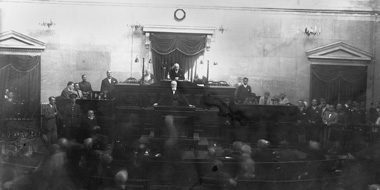
Conferences - Meetings
This section documents congresses, conferences, and meetings held during the interwar period, and organised either by women’s and feminist organisations from the Balkans and East-Central Europe or by political institutions/organisations such as the Balkan Conference.
Read More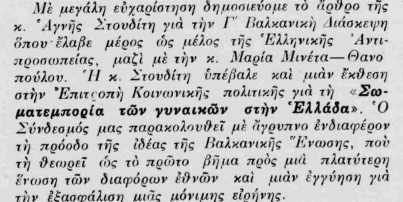
Women's Work in Conferences
This section presents women's contributions to national, regional, and international conferences during the interwar period that were not exclusively focused on women’s issues.
Read MoreSources and Documentation



Resources
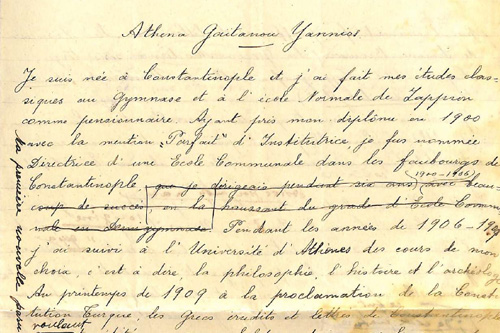
This section includes 45 libraries and archives from countries primarily in the Balkans and Central Europe, as well as international digital libraries accessible online, which hold collections and material relevant to the FE.P.I.B project. These include national libraries and archives, private archives, university libraries, archives of ministries and international organizations, as well as institutions that systematically collect gender-related material. The documentation provides the original and English names of each institution, their location, a brief description of their relevant holdings, and a link to their website.
This section includes archival fonds and collections relevant to the FE.P.I.B. project, housed in the libraries and archives featured on this platform. These comprise fonds and collections of feminist and political figures, national and international feminist, peace, and women’s organizations, conference documentation, periodicals, photographs, and diplomatic archives. All entries are provided in both the original language and English.
This section includes 45 libraries and archives from countries primarily in the Balkans and Central Europe, as well as international digital libraries accessible online, which hold collections and material relevant to the FE.P.I.B project.
Glimpse of the Past
We are convinced that the main factors that determine the relations between states are first of all economic, then political and thirdly psychological. It is true that women, at least for the moment and in countries where they are excluded from political life, cannot have any significant influence except on the psychological factor, through propaganda for international organisation, enlightenment of public opinion, peace education for young people.[...]
We, the undersigned delegates of women’s unions, created a cordial agreement that will give us the possibility to support each other in all questions that concern women’s liberation, the defense of women’s and children’s rights, the big economic and cultural problems, and social hygiene, and to always try to avoid all kinds of misunderstandings that would appear between our countries; we promise to work openly and lawfully to eliminate all difficulties that would arise.
At the conference in Rome, among the forty-three countries that participated, “racial” similarities were clearly evident: one could distinguish the group of Anglo-Saxon nations, the group of representatives of the Latin countries, and so on. In the same way the similarities among the women of the Balkan and Eastern European countries were also evident. A sense of “community” was created between us and so we decided to set up another group next to the Anglo-Saxon and Latin country groups, a group with its own common characteristics: religion, traditions, identical family values, as well as social prejudices.